
The global solar energy market is expanding at an incredible rate, and with this growth comes a critical decision for every project developer, distributor, and procurement manager: choosing the right partners. The success of your multi-million dollar solar power station can hinge on the quality of a single electrical component. Selecting the right manufacturer isn’t just about price; it’s about securing a partnership that ensures reliability, safety, and long-term profitability. This guide will help you cut through the noise and focus on the five most crucial factors to evaluate, ensuring you make a choice that powers your success for decades.
Factor 1: Uncompromising Product Quality and Component Reliability
The heart of any solar power station is its electrical system. While panels and inverters get much of the attention, it’s the components that connect, protect, and manage the flow of power that often determine a plant’s uptime and safety. When you evaluate a manufacturer, you must look beyond the surface and scrutinize the quality of their individual components.
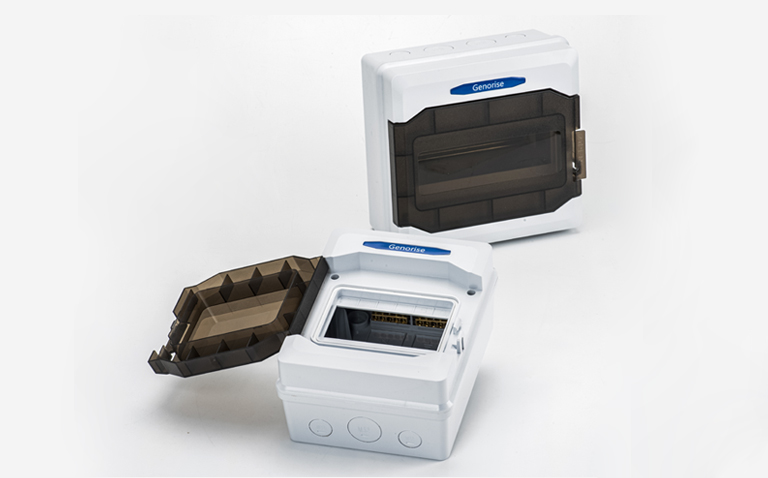
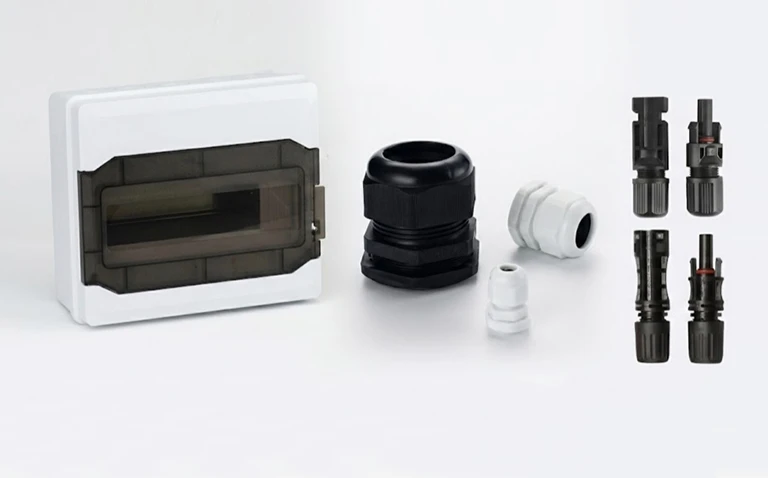
For a critical piece of equipment like a PV combiner box, its internal components are what truly count. A well-built combiner box is essential for consolidating the power from multiple solar strings and protecting the system. A superior manufacturer will use high-quality, durable parts designed specifically for the demands of a solar environment. When you examine a product page, such as our own for PV Combiner Boxes, you should be looking for evidence of robust internal hardware. Key components to ask about include:
- Overcurrent Protection: This is your first line of defense. Look for high-quality DC-rated fuses or circuit breakers . These devices prevent damage from excessive current, which can happen during faults or irregular solar conditions. A cheap fuse can lead to nuisance tripping or, worse, fail to protect your expensive inverters.
- Surge Protective Devices (SPDs): Solar farms are often located in open areas, making them vulnerable to lightning strikes. An SPD acts as a shield, diverting damaging voltage spikes away from your sensitive equipment . A manufacturer that prioritizes quality will use SPDs specifically rated for photovoltaic systems.
- DC Disconnect Switches: For maintenance and safety, you need a reliable way to isolate parts of the system. A sturdy DC disconnect switch ensures that technicians can work safely without the risk of electric shock . The feel and durability of this switch can often be a quick indicator of the manufacturer’s overall commitment to quality.
- Monitoring Units: Modern solar farms require data. Advanced manufacturers integrate monitoring units that can track the voltage and current of each string . This allows you to identify underperforming panels or potential issues early, maximizing your plant’s energy output and return on investment.
When you speak with a potential manufacturer, don’t just ask if they have these components. Ask them why they chose a specific brand or type, what its failure rate is, and how it’s tested. A great partner will have confident, transparent answers.
Factor 2: Verifiable Certifications and Quality Management Systems
Certifications are more than just logos on a datasheet; they are your assurance that a product has been independently tested and verified to meet strict safety and performance standards. In the B2B world, where liability and long-term performance are paramount, certifications are non-negotiable. A reputable electrical component manufacturer will proudly display their credentials.
Here’s what you should be looking for:
- International Safety and Compliance: These are the fundamentals. Look for certifications like IEC (International Electrotechnical Commission), which sets global standards, and CE, which is mandatory for products sold in the European Union. Other highly respected third-party marks from organizations like TÜV, UL, and SGS provide an extra layer of confidence that the product is safe and well-made.
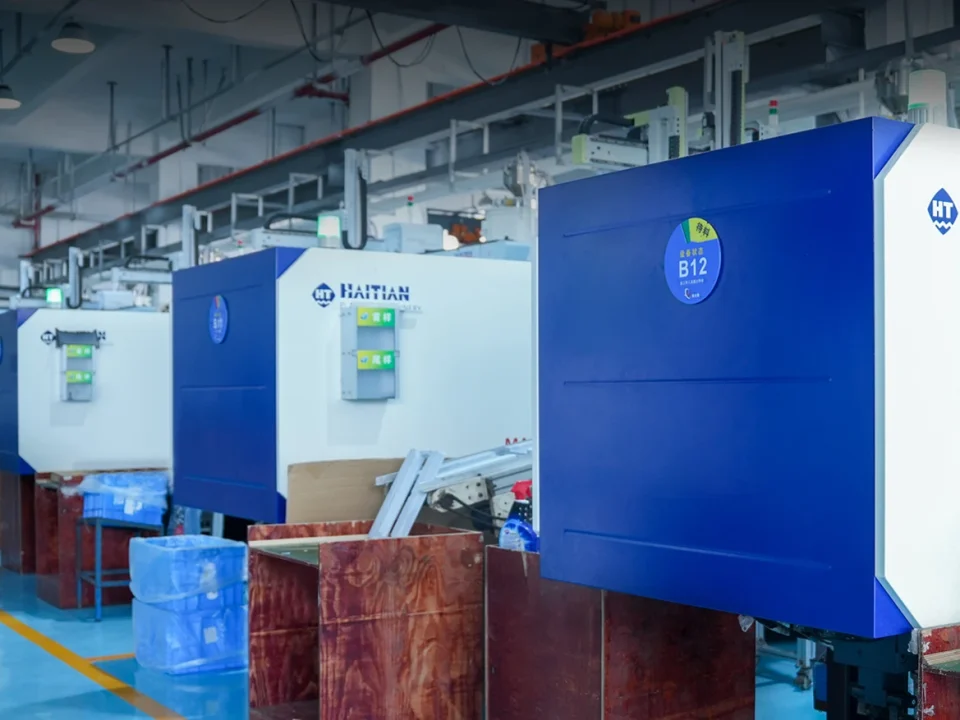
- Quality Management Systems: A single great product can be a fluke; a consistently great product is the result of a system. This is why ISO 9001 certification is so important. It proves the manufacturer has a documented, audited process for maintaining quality control from raw materials to final inspection. This system-level approach significantly reduces the risk of defects and ensures the 1000th unit you buy is just as good as the first.
- PV-Specific Standards: The solar industry has its own unique challenges. Therefore, you should look for manufacturers whose products meet specific photovoltaic standards. For instance, components tested to standards like IEC 61701 for salt mist corrosion resistance are essential for coastal installations. This shows the manufacturer doesn’t just sell a generic product; they engineer solutions specifically for the solar environment.
When a manufacturer has these certifications, it shows they’ve invested time and money to prove their quality. It’s a clear signal that they are serious about their products and dedicated to serving professional markets.
Factor 3: Deep Understanding of Your Regional Market Needs
A manufacturer based on another continent may build a technically perfect product, but if they don’t understand the realities of your local market, their solution can fall short. The best partners are those who have experience in your region and design their products and services to overcome its specific challenges. As we serve markets across Europe, Africa, Asia, and the Middle East, we know that a one-size-fits-all approach is a recipe for failure.
For Europe: Navigating Grid Complexity and Supply Chains
In Europe, the challenges often revolve around grid integration and project logistics. Grid operators require power plants to have high operational flexibility to help stabilize the grid as more renewable energy comes online . Furthermore, the industry faces significant backlogs in grid connection queues and a shortage of skilled labor, which can delay projects .
What this means for you: Your manufacturer must provide components that are not only compliant with European standards (like CE) but are also “smart” and flexible. More importantly, they need a robust supply chain to ensure components arrive on time, helping you navigate tight project schedules and avoid costly delays caused by labor bottlenecks.
For the Middle East & Africa: Engineering for Harsh Conditions
The climate in the Middle East and Africa is one of the most demanding in the world for solar equipment. Components are constantly exposed to extreme heat, sand, and dust, all of which can drastically reduce efficiency and lifespan . In many areas, water scarcity also makes traditional cooling and cleaning methods impractical .
What this means for you: You need components built to survive. Look for manufacturers who offer products with high IP ratings (e.g., IP65 or higher) for dust and water protection. Materials should be UV-stabilized and able to operate at high ambient temperatures without derating. A knowledgeable manufacturer will understand these challenges and will have already engineered solutions, such as offering components designed for dry cooling systems.
For Asia: Balancing Cost-Effectiveness with Performance
In many booming Asian markets, cost is a primary driver for project development . While competitive pricing is important, it cannot come at the expense of quality and long-term reliability. The cheapest component today can become the most expensive one tomorrow if it fails prematurely and causes system downtime.
What this means for you: You need a manufacturing partner who understands how to deliver value. This involves optimizing designs, leveraging efficient local manufacturing, and offering solutions that provide the best total cost of ownership. They should be able to explain how their products, while competitively priced, do not compromise on the critical safety and performance features that ensure a 25-year plant lifespan.
Factor 4: Proactive Technical Support and True Partnership
When you are a distributor or a project procurement manager, you are not just buying a box of components; you are investing in a solution. The manufacturer you choose should act as a true partner, providing support before, during, and after the sale. The quality of their customer service is just as important as the quality of their products.
A supportive partner will:
- Assist in the design phase: They should have a technical team that can help you select the right components for your specific project requirements, ensuring everything is compatible and optimized for performance.
- Offer clear documentation and training: High-quality installation manuals, datasheets, and even training for your team can prevent costly installation errors and ensure the system operates as designed.
- Be responsive when problems arise: In the real world, issues can happen. You need a partner you can call, who will pick up the phone, and who has the expertise to help you troubleshoot problems quickly to minimize downtime.
This kind of partnership transforms a simple transaction into a long-term relationship. It builds trust and gives you the confidence that someone has your back throughout the entire project lifecycle.
Factor 5: A Resilient Supply Chain and Transparent Pricing
Your project’s timeline and budget are critical. A manufacturer can have the best product in the world, but if they can’t deliver it on time and on budget, they become a liability. A resilient supply chain and transparent business practices are the final, crucial piece of the puzzle.
Recent years have shown how fragile global supply chains can be. Shortages of materials or labor in one part of the world can bring projects to a halt elsewhere . A top-tier manufacturer mitigates this risk by having a diversified supply chain, maintaining healthy inventory levels of critical parts, and communicating proactively about any potential delays.
Furthermore, you should seek a partner who balances cost-effectiveness with quality. As noted in cost-sensitive markets, the goal is not to find the absolute cheapest product, but the one that offers the best value . A transparent manufacturer will be open about their pricing structure and help you understand the total cost of ownership. They will explain how investing a little more in a higher-quality component can save you thousands in maintenance and lost production revenue down the line.
Conclusion
Choosing an electrical component manufacturer for your solar power station is one of the most important decisions you will make. By moving beyond a simple price comparison and thoroughly evaluating these five factors—Product Quality, Certifications, Regional Expertise, Technical Partnership, and Supply Chain Resilience—you can build a reliable foundation for your project. This careful evaluation protects your investment, ensures the safety and longevity of your solar plant, and helps you forge a partnership that will contribute to a successful and profitable clean energy future. Making the right choice is not just about buying a part; it’s about investing in peace of mind.