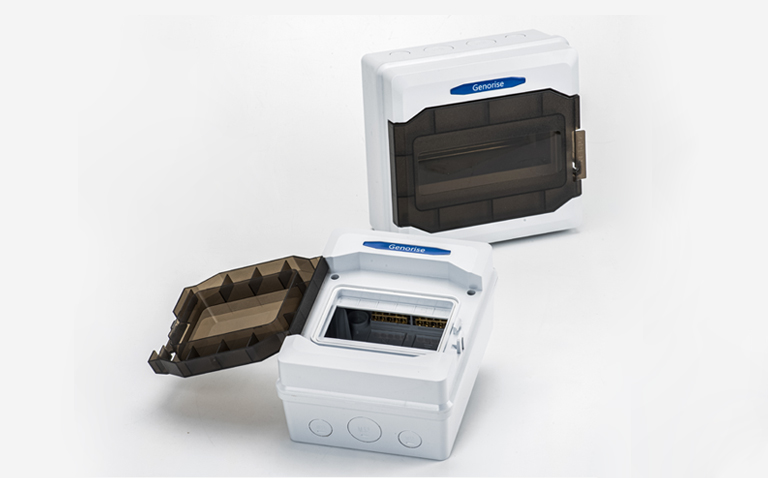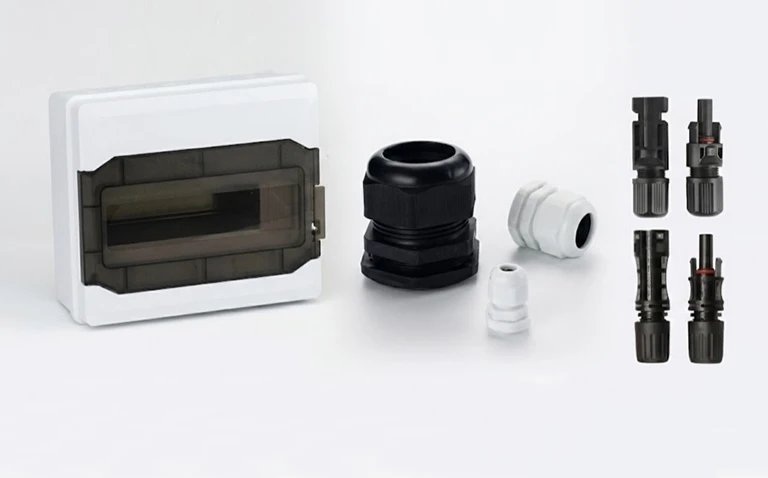

As utility-scale solar installations rapidly shift from 1000V DC to 1500V DC architectures, PV system integrators and panel builders face new mechanical and thermal challenges. Higher system voltages demand larger internal clearances, superior arc-resistant dielectric properties, and flawless thermal dissipation inside unventilated outdoor boxes. Choosing the right empty combiner box enclosure is the first line of defense to protect internal switchgear from harsh desert heat, coastal moisture, and catastrophic thermal breakdown.
1. Why 1500V Systems Demand Larger & Smarter Enclosures
At 1500V DC, higher operating voltages naturally generate longer electrical arcs during DC disconnection. To comply with international safety standards such as IEC 61439-2 and UL 508A, electrical design engineers must allocate significantly wider clearance and creepage distances between DC busbars, fuse bases, and surge protection devices (SPDs).
An empty enclosure designed for 1000V strings cannot simply be crammed with 1500V rated components. Squeezing higher-rated components into an undersized box compromises air circulation, drives up ambient internal temperatures, and dramatically increases the risk of dielectric breakdown across adjacent conductive paths.
2. Enclosure Engineering: 1000V vs. 1500V Design Matrix
When sourcing empty distribution boxes and junction enclosures for DC combiner applications, compare these structural and material differences:
| Enclosure Feature | 1000V DC Standard Enclosures | 1500V DC Heavy-Duty Enclosures |
|---|---|---|
| Internal Clearance & Depth | Standard internal depths (140 mm – 180 mm) | Extra-deep cavities (200 mm – 260 mm) for high-profile fuse holders |
| Dielectric Insulation Spacing | Standard phase barriers sufficient (min. 14 mm) | Reinforced base plate clearance (min. 25 mm+ with dedicated mounting bosses) |
| Thermal Management | Natural surface convection | ePTFE breathable pressure balance valves to exhaust internal heat & moisture |
| Base Polymer Grade | Industrial ABS / Standard Polycarbonate | Virgin UV-Stabilized Polycarbonate (f1 rating) or SMC Fiberglass |
| Flammability Resistance | UL94-HB or UL94-V2 | Certified UL94-V0 self-extinguishing flame retardancy |
| Gasket & Ingress Sealing | EPDM or Nitrile strip gasket (IP65) | Seamless continuous PUR foam-in-place robotically injected gasket (IP66/IP67) |
3. Critical Enclosure Sourcing Criteria for EPCs & Panel Builders
A. Anti-UV Aging & Mechanical Impact (IK Rating)
Solar arrays operate under non-stop ultraviolet radiation. Substandard recycled plastics turn brittle, yellow, and develop microscopic surface fissures within 24 to 36 months, destroying weatherproofing. Ensure the enclosure housing specifies UV-stabilized polycarbonate compliant with UL 746C (f1 weather-tested) and achieves IK08 or IK10 mechanical impact resistance to endure hailstorms and installation abuse.
B. Seamless Sealing vs. Internal Condensation
In desert and tropical solar farms, daily day-to-night temperature swings create extreme internal negative pressure, sucking outside moisture past low-grade glued rubber gaskets. Premium IP67 junction boxes utilize robotically poured continuous polyurethane (PUR) foam sealing gaskets paired with IP67 breathable ePTFE membrane vents. This setup equalizes internal/external air pressure while permanently repelling water ingress.
C. Internal Mounting Flexibility & Custom Machining
Integrators require hassle-free internal layout flexibility. Look for enclosure shells that feature high-density internal grid standoffs, permitting adjustable DIN-rail positioning, isolated backing plates (galvanized steel or non-conductive bakelite), and pre-marked knockouts or precision CNC milling options for heavy-gauge PG/M cable glands and MC4 bulkhead connectors.
4. OEM/ODM Procurement Checklist for Direct Factory Sourcing
When purchasing empty waterproof enclosures and distribution boxes directly from Chinese injection molding manufacturers, verify the following core capabilities:
- Self-Owned Tooling & Mold Workshop: Partner directly with mold owners who control precision tooling, ensuring exact dimensional tolerances and watertight lid alignment.
- Genuine Raw Material Verification: Insist on certified prime virgin resins (e.g., Covestro, Sabic) with certified UL94-V0 flame retardant test reports.
- CNC Customization Capabilities: Verify that the factory can supply ready-to-wire custom cutouts for PG glands, vents, and locksets directly from CAD/STEP files.
- Complete Ingress Testing Logs: Require third-party IP67 waterproof and dustproof test certificates, backed by internal batch-by-batch pressure chamber checks.
Factory Tip: Sourcing empty, custom-drilled solar enclosures and high-reliability waterproof cable glands directly from dedicated molding specialists minimizes container shipping volume, bypasses intermediate margins, and lets integrators maintain full control over their internal switchgear assembly.