
Did you know that a single faulty connection in a solar array can bring down an entire string’s power output? For solar installers and project buyers across Europe, Africa, Asia, and the Middle East, that’s a risk you can’t afford. In this guide, we show you exactly how a well‑chosen PV combiner box prevents that problem — and helps your photovoltaic power station run safely and efficiently for decades.
PV Combiner Box: Unlock a Safer, Simpler Solar Array (The Basics)
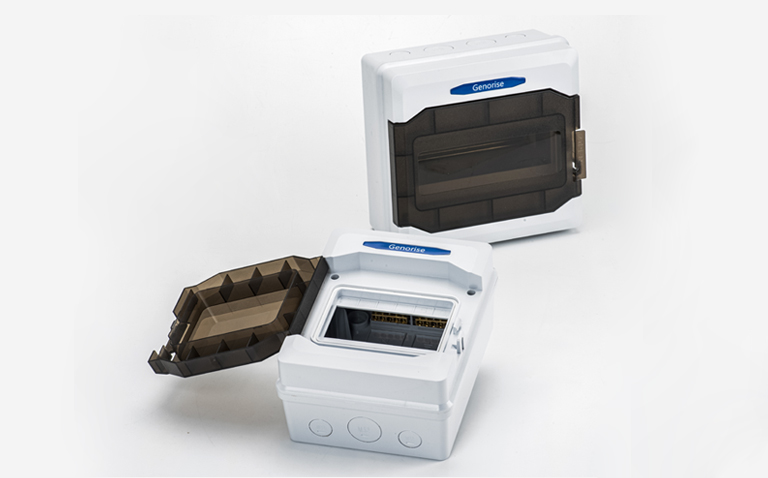
Think of a PV combiner box as the central hub where many solar strings meet. Instead of running dozens of thin wires from your panels all the way to the inverter, you bring them into one sturdy, weather‑proof enclosure. Inside, you combine the currents into fewer, thicker output cables that travel to the inverter.
When you use a combiner box correctly, you get three big wins:
- You cut down on cable clutter and installation time.
- You add critical over‑current and surge protection at the string level.
- You make future troubleshooting and maintenance much easier.
We design our combiner boxes to sit outdoors, right under the sun and rain, without losing performance. You simply mount them on a wall or a dedicated rack close to the solar panels, connect the pigtails, and tighten everything down — it is that straightforward.
PV Combiner Box: Essential Protection Features That Save Your Project
Every solar site faces the same enemies: lightning strikes, short circuits, and overheating. A good combiner box fights all three. When you open our enclosure, you will find a clean layout of three core protection parts.
- DC Fuse Holders with PV‑specific fuses. Each input string gets its own fuse. If a panel develops a fault and tries to pull too much current, the fuse blows and isolates that string. The rest of your array keeps working without any drama.
- DC Circuit Breakers or Disconnect Switches. You need a way to cut off the combined DC power with one motion. Our breaker handles this job and also trips automatically if the total output current exceeds safe limits.
- Surge Protective Device (SPD). Lightning does not have to hit your panels directly to cause damage. A nearby strike sends voltage spikes through the metal frames and cables. Our built‑in SPD catches those spikes and shunts them to ground, so your expensive inverter stays protected.
You should also notice the thick copper busbars inside. They carry the combined current with very low resistance, which means less heat and more energy reaching the grid.
PV Combiner Box: How We Ensure Reliable Monitoring Every Day
You cannot fix a problem if you do not know it exists. That is why we offer optional string‑level monitoring. A small module sits inside the combiner box and measures the current from every input. It sends that data to a data logger or your SCADA system.
With monitoring in place, you can:
- Spot a failing string before it drags down the entire array.
- Compare the performance of different sections of the power plant.
- Schedule cleaning or repair visits only when the numbers tell you they are necessary.
In large ground‑mount projects across Africa and the Middle East, dust and sand can block light unevenly. Monitoring helps you find under‑performing strings fast, so your O&M team does not waste time inspecting panels that are still working perfectly.
PV Combiner Box: Choose the Right Enclosure for Your Climate
Not all combiner boxes are built for the same weather. You work in Europe’s cold winters, Asia’s humid monsoon seasons, Africa’s scorching heat, and the Middle East’s sandstorms. The enclosure you pick must handle your reality.
We offer several enclosure options, and here is how you match them to your project:
- IP65 or IP66 rated steel enclosures work well in most moderate climates. They resist rain and dust, and a good powder coating prevents rust for years.
- Stainless steel or fiberglass enclosures give you extra corrosion resistance. If your site is near the coast in West Africa or Southeast Asia, salt spray attacks ordinary metal fast. Choose a material that won’t let you down.
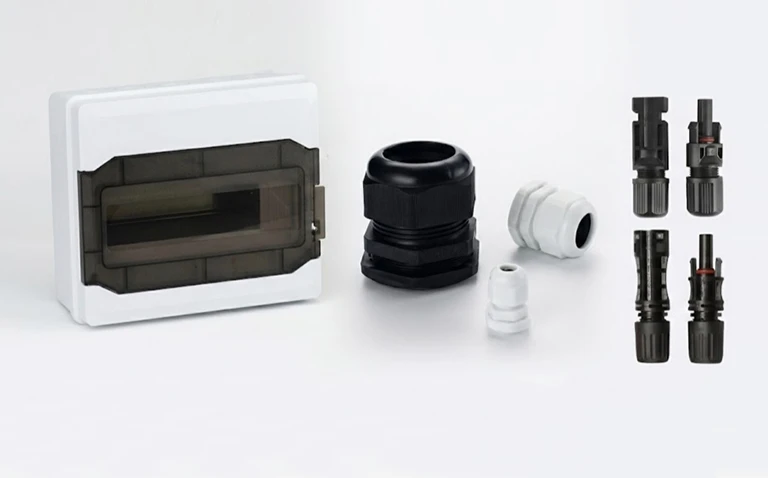
- Ventilation and cable glands matter just as much. Our boxes include breathable drain plugs that equalize pressure without letting insects in, and high‑quality cable glands keep moisture out of every entry point.
When you order in bulk for wholesale distribution or a multi‑megawatt project, tell us your site conditions. We will help you pick the exact enclosure material and IP rating that matches your climate, so you don’t pay for over‑engineering but also don’t risk premature failure.
PV Combiner Box: Why Input Configuration Is a Make‑or‑Break Decision
The number of input strings you connect to one combiner box affects both cost and maintenance. You want enough inputs to keep the enclosure count reasonable, but not so many that a single box failure takes down a massive portion of the plant.
A practical approach we recommend:
- For small rooftop or carport systems, 4 to 6 inputs usually fit perfectly. You keep the box compact and easy to mount.
- For medium commercial or mini‑grid systems, 8 to 12 inputs give a nice balance between density and risk.
- For large utility‑scale ground‑mount projects, up to 24 or even 32 inputs can make sense, especially when you use high‑string‑count inverters.
We label every fuse holder clearly inside the box and include a wiring diagram on the inside of the door. Your installation team will appreciate this small detail when they are working under a hot sun with gloves on. Simple, clear labeling cuts wiring mistakes down to nearly zero.
PV Combiner Box: Simplify Your Supply Chain with a Single Trusted Source
For regional distributors and project buyers, buying the combiner box, fuses, SPD, and cables from different suppliers creates headaches. Different lead times, different shipping costs, and different warranty terms multiply your paperwork. We solve this by offering the complete, pre‑assembled box ready to install.
You receive:
- The enclosure with all components pre‑wired and tested.
- Extra fuses and a basic tool kit for first‑line maintenance.
- A printed manual and a QR code linking to a step‑by‑step installation video.
This is especially important when you ship containers to multiple countries. A standardized, pre‑wired box means your installation teams in Kenya, Egypt, or Bangladesh follow the exact same procedure and get the same result every time. Training becomes simpler, and commissioning moves faster.
PV Combiner Box: Real‑World Advice for Tenders and Wholesale Orders
When you prepare a bid for a photovoltaic power station, the technical specification of the combiner box can be a differentiator. Here is what you should include in your tender documents to get compliant, competitive offers:
- Maximum system voltage, typically 1500 V DC for modern utility‑scale plants.
- Number of input strings per box.
- Required protection: fuse ratings, breaker type, and SPD class.
- Enclosure IP rating and material.
- Whether you need string monitoring or just basic combining.
Send us these points, and we will return a clear quotation within 24 to 48 hours. We ship from our factory to major ports in Europe, Africa, Asia, and the Middle East, supporting both small wholesale trials and full‑container project orders.
Conclusion
A PV combiner box does more than just merge wires — it protects your investment, simplifies your maintenance, and gives you the data you need to run a profitable solar plant. When you choose a box with the right fuses, surge protection, enclosure rating, and input configuration, you build a system that keeps producing clean energy year after year, even in harsh conditions.
We invite you to visit our product page at Electrical Enclosures(Boxes) to see the full range of stock models. If you have a specific project tender or wholesale inquiry, contact us directly. Let’s work together to make your next photovoltaic power station the most reliable one you have ever built.